
Type: Articles
Read latest TaxGuru articles on Income Tax, GST, Company Law, Finance, Customs, Corporate Law, FEMA, SEBI and other tax and business topics.

SC decisions on Maintainability of Writ Where Statutory Remedy Is Available

Leave Encashment Revolution: Decoding New ₹25 Lakh Exemption
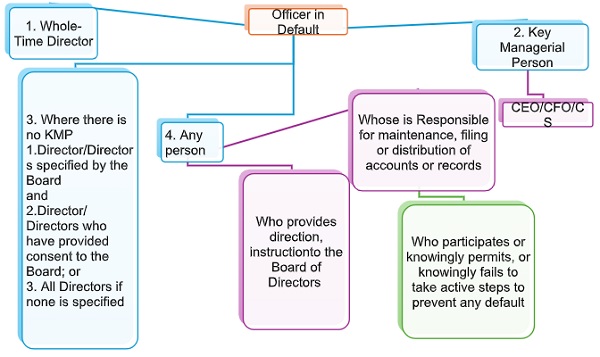
CSR Penalties Rise: Why Non-Compliance Under Section 135 Proves Costly

Business Income or Capital Gains? Tax Treatment of Share Trading

Private Limited vs LLP vs Partnership vs Proprietorship: A Quick Comparison
SC: Hostel/PG Is Residential Dwelling; GST Exemption Restored
Representation of Body Corporates under Section 113: Everything You Need to Know

Form 10-IE/10-IEA Compliance to Avoid Wrong Tax Regime Processing

Data Fiduciary Obligations under Digital Personal Data Protection Rules, 2025

SME IPO Rules 2025: SEBI’s New ₹1-Crore EBITDA Test Explained (ICDR)

The Leave Policy That Brought IndiGo — India’s Largest Airline — to Its Knees

India’s Biggest Airline Meltdown: A Deep-Dive Into IndiGo Crisis
Bail under GST: Practical Strategy

Increase of Paid Up Share Capital Through Right Issue: Process & Resolution
Articles on TaxGuru provide practical analysis, commentary and explanations across taxation, finance, corporate and business laws. This category brings together articles on Income Tax, GST, Company Law, Corporate Law, Customs, DGFT, Excise, Service Tax, FEMA/RBI, SEBI, finance and professional matters concerning CA, CS and CMA. Readers can explore contributions discussing statutory provisions, compliance requirements, regulatory changes, professional developments and practical issues affecting taxpayers and businesses. Chartered Accountants, Company Secretaries, Cost Accountants, advocates, tax professionals, businesses and taxpayers can use this archive to discover recent articles as well as useful earlier reference material published on TaxGuru.

