
Type: Articles
Read latest TaxGuru articles on Income Tax, GST, Company Law, Finance, Customs, Corporate Law, FEMA, SEBI and other tax and business topics.

FSSAI Introduces Perpetual License Validity as Renewal System Abolished

SC Upholds Capital Reduction as Valuation Report Not Mandatory Under Section 66

GSTAT Operational: Complete Guide to GST Appellate Tribunal Appeals

US Taxation 2026: Intricacies of Gift and Estate Tax Planning
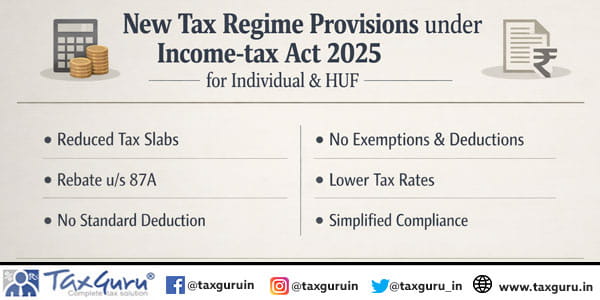
New Tax Regime Provisions under Income-tax Act 2025 for Individual & HUF
Analysis of Notifications and Circulars for Week Ending 15th March 2026
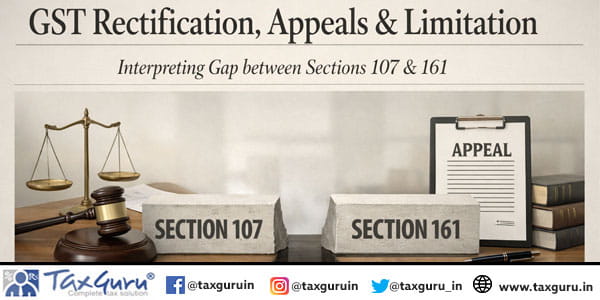
GST Rectification, Appeals & Limitation: Interpreting Gap between Sections 107 & 161
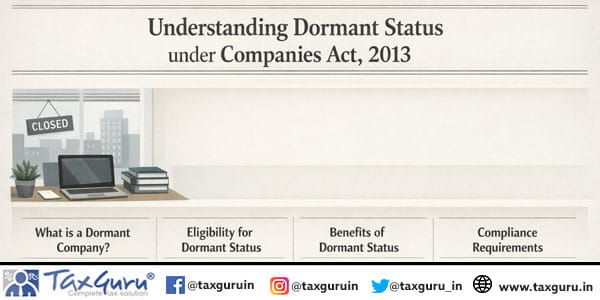
Understanding Dormant Status under Companies Act, 2013
Budget 2026 Introduces Penalty for Non-Reporting of Crypto Transactions
180-Day Clock: How SEBI’s New Investigation Cap is a Game Changer for Issuers
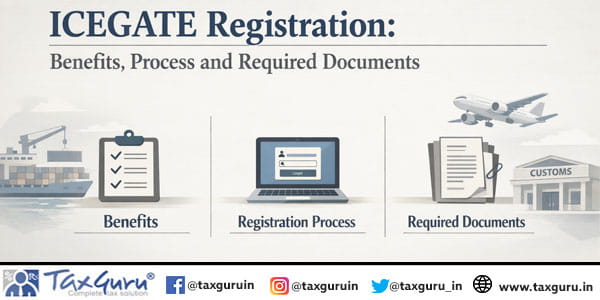
ICEGATE Registration: Benefits, Process and Required Documents
Amendment in GST Interest Calculation on Delayed Cash Payment in GSTR-3B
Retrospective GST Cancellation and ITC Denial: Courts Protect Bona Fide Buyers

Operational Creditors Under IBC: Why They Bear Losses Without a Vote
Articles on TaxGuru provide practical analysis, commentary and explanations across taxation, finance, corporate and business laws. This category brings together articles on Income Tax, GST, Company Law, Corporate Law, Customs, DGFT, Excise, Service Tax, FEMA/RBI, SEBI, finance and professional matters concerning CA, CS and CMA. Readers can explore contributions discussing statutory provisions, compliance requirements, regulatory changes, professional developments and practical issues affecting taxpayers and businesses. Chartered Accountants, Company Secretaries, Cost Accountants, advocates, tax professionals, businesses and taxpayers can use this archive to discover recent articles as well as useful earlier reference material published on TaxGuru.

