
Type: Articles
Read latest TaxGuru articles on Income Tax, GST, Company Law, Finance, Customs, Corporate Law, FEMA, SEBI and other tax and business topics.

GST Audit-as-a-Service Gains Relevance Due to Limitations of Traditional Annual Audits

GST Since July 2017: From Tax Reform to Litigation-Driven Practice




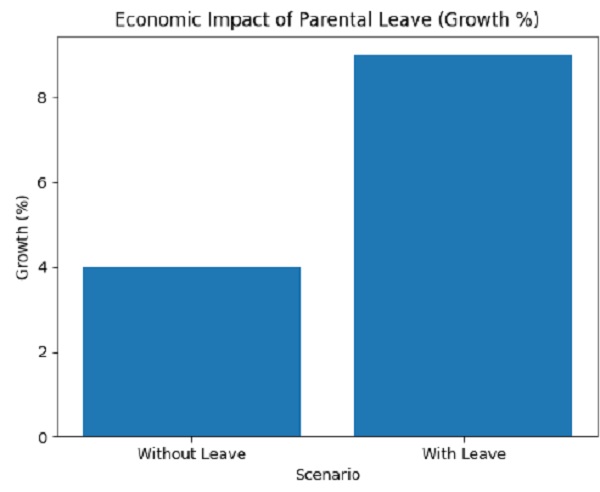


GST Interest Demand Invalid as Not Mentioned in Show Cause Notice – HC Quashes Order

Big Relief for Pigmy Agents: Karnataka HC Stops GST Reverse Charge on Pigmy Commission
Articles on TaxGuru provide practical analysis, commentary and explanations across taxation, finance, corporate and business laws. This category brings together articles on Income Tax, GST, Company Law, Corporate Law, Customs, DGFT, Excise, Service Tax, FEMA/RBI, SEBI, finance and professional matters concerning CA, CS and CMA. Readers can explore contributions discussing statutory provisions, compliance requirements, regulatory changes, professional developments and practical issues affecting taxpayers and businesses. Chartered Accountants, Company Secretaries, Cost Accountants, advocates, tax professionals, businesses and taxpayers can use this archive to discover recent articles as well as useful earlier reference material published on TaxGuru.

