
Type: Articles
Read latest TaxGuru articles on Income Tax, GST, Company Law, Finance, Customs, Corporate Law, FEMA, SEBI and other tax and business topics.

Timelines to issue GST orders & notices under Section 73 and 74 for period 2017-18 to 2023-24
FAQs on Companies Compliance Facilitation Scheme, 2026 (CCFS-2026)

Mauritius Route Hit: SC Rejects Tiger Global’s Treaty Claim in ₹14,439 Cr Flipkart Deal

Where Relationship Ends In A Breakup, The Man Is In The Lockup: Karnataka HC
GST Impact on Mutual Fund Distributors from 1st April 2026
How to Check MSME Registration of Your Vendors
MSME Form 1: Comprehensive Compliance Guide under Section 405 of Companies Act, 2013

Customs Refunds & Unjust Enrichment: Export Proceeds vs FOB Value, Burden of Tax & Legal Tests

MSME-1 Filing: Compliance Guide for Companies

GST on Expense Reimbursement: Pure Agent, Valuation, Invoicing & GSTR-1 Compliance

Judicial Recognition, Legislative Silence: Corporate Crypto Vacuum Post-Rhutikumari
Gujarat HC quashes GST proceedings over notices sent to old address despite update

Taxation of Property Transactions: Key Section 54/4F Judicial Pronouncements – Part 2
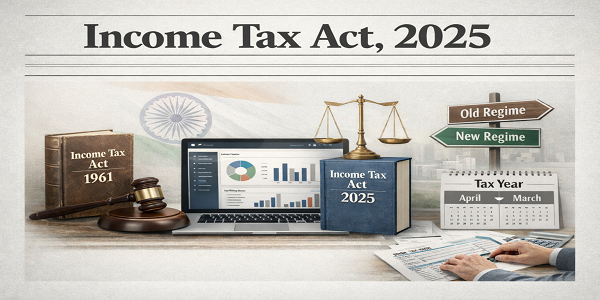
Transfer Pricing in India under the New Income Tax Act, 2025
Articles on TaxGuru provide practical analysis, commentary and explanations across taxation, finance, corporate and business laws. This category brings together articles on Income Tax, GST, Company Law, Corporate Law, Customs, DGFT, Excise, Service Tax, FEMA/RBI, SEBI, finance and professional matters concerning CA, CS and CMA. Readers can explore contributions discussing statutory provisions, compliance requirements, regulatory changes, professional developments and practical issues affecting taxpayers and businesses. Chartered Accountants, Company Secretaries, Cost Accountants, advocates, tax professionals, businesses and taxpayers can use this archive to discover recent articles as well as useful earlier reference material published on TaxGuru.

