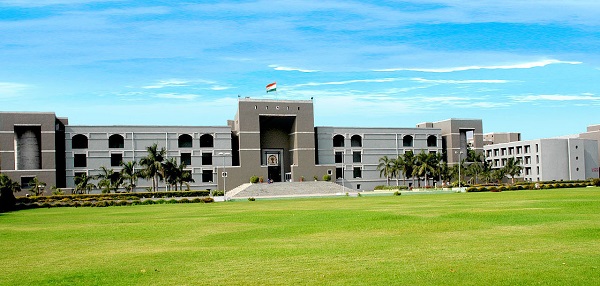
ADIT (INT TAXN) 2 Hyd & Anr. Vs Deepanjan Roy (Supreme Court of India)
Summary: The Supreme Court dismissed the Revenue’s Special Leave Petition against the Telangana High Court’s order in Deepanjan Roy Vs ADIT (Int Taxn). The High Court proceedings arose from Writ Petition No. 23573 of 2024. Before the High Court, counsel for the petitioner and the Income Tax Department jointly submitted that the point involved was squarely covered by the order passed in W.P. No. 13353 of 2024 and batch and that the petition could be disposed of in terms of that order. Acting on this consensus, the Telangana High Court allowed the writ petition on 29 August 2024 in terms of the order in W.P. No. 13353 of 2024 and batch and directed that the directions contained therein would apply mutatis mutandis with full force; no costs were imposed and pending interlocutory applications were closed.
The supplied material identifies the result as concerning a Section 148 notice and the mandatory faceless procedure. The Revenue challenged the High Court order before the Supreme Court through Special Leave Petition (Civil) Diary No(s). 33956/2025. The Supreme Court first condoned the delay and allowed the exemption application. After hearing learned counsel appearing for the petitioners-Revenue and going through the materials on record, the Court stated that it found no good reason to interfere with the impugned High Court order. It accordingly dismissed the Special Leave Petition and directed that pending applications, if any, would also stand disposed of.
Thus, the Supreme Court did not separately elaborate upon or independently reconsider the reasoning underlying the Telangana High Court’s order; its operative order was confined to finding no good reason to interfere and dismissing the Revenue’s SLP. The High Court’s relief to Deepanjan Roy consequently remained undisturbed.
Read Telangana HC Order in this case: Section 148 notice quashed for not following mandatory faceless procedure
FULL TEXT OF THE SUPREME COURT JUDGMENT/ORDER
1. Delay condoned.
2. Exemption Application is allowed.
3. Having heard the learned counsel appearing for the petitioners – Revenue and having gone through the materials on record, we find no good reason to interfere with the impugned order passed by the High Court.
3. The Special Leave Petition is, accordingly, dismissed.
4. Pending applications, if any, shall also stand disposed of.