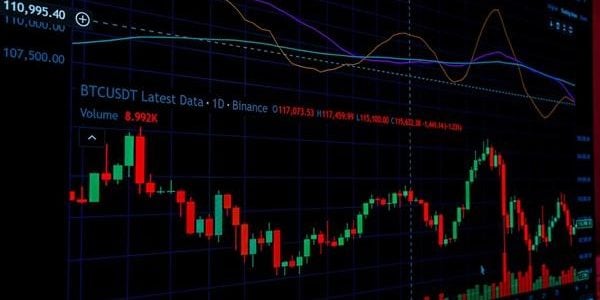
Every trader has been there. You spot the market moving the way you predicted, but instead of jumping in, you hesitate. Maybe you want another sign. Maybe you do not quite trust what you are seeing. Suddenly, price takes off again, and now the trade looks completely obvious. That is usually when the urge hits: you chase after it, jumping in late, because watching the move slip away feels worse than grabbing a less-than-ideal setup. By then, though, the original opportunity has probably already changed. This is not always about not knowing enough. Plenty of experienced traders get stuck here, either from being too cautious or just plain old FOMO.
Why Traders Hesitate in the First Place
There is always uncertainty before you enter because no setup has a guarantee. But lots of people fall into the trap of believing that with just one more confirmation, all doubt will disappear. So, you spot a breakout, but you wait for price to push a little further. Then, you want another candle to finish. Maybe you flip to another indicator or check a different timeframe.
Each little check makes sense in the moment, but the market is not about to pause so you can make up your mind. There is something else going on under the surface, too. Taking a trade means risking being wrong – the second you are in, you could lose money. Waiting feels safer than being wrong. But once the market moves, fear flips to FOMO (Fear of Missing Out). Now, you are not worried about being wrong; you are desperate not to miss out. That is how smart caution ends up turning into a rushed move.
Confirmation Is Useful, But It Has a Limit
Waiting for confirmation does help. Without some kind of check, you will be jumping all over the place, picking every shiny setup. But there is a line. For example, you see a likely breakout but hold off, wanting that candle close above resistance. That makes sense. Then, you wait for another sign, and another. You need three timeframes to agree, five indicators in sync. By then, the risk-reward setup you liked may already be gone.
Here’s the real difference: you want confirmation to improve your trade, not to keep stalling forever. If a good setup becomes less attractive the longer you wait, at some point you are not protecting yourself; you are just procrastinating. That pattern shows up everywhere. Someone looking to trade Bitcoin, for example, may wait through several strong candles, hoping for bulletproof certainty. But by the time they jump in, the move they wanted is over. The answer is not to ignore confirmation. It is to have a clear definition upfront, before the market tempts you, to know exactly what counts as enough.
How Late Entries Create New Problems
Getting in late does not just cut profits. It can totally change the trade. If you are early, you have room for error and a clear exit if you are wrong. But if you chase a move after it is already run, suddenly your stop is stretched, or you have to settle for a poorer reward. Then comes the double mistake. You know the entry is not great, but you still want in, so you bend your rules. Maybe you take a bigger position, or you set a tighter stop that is not part of your plan. Maybe you tell yourself the move will keep going because it already has. None of these fix the original problem.
There is nothing wrong with just letting a trade go. Sometimes, missing a setup is fine. There will be other opportunities, so chasing after a finished move rarely helps.
How Traders Can Avoid Chasing the Market
If you want to stop getting in too late, the best move is to get specific before you even sit down at your screen. It is necessary to decide ahead of time: What is your green light? What is a deal-breaker? When is a move too stretched to jump on? Write it down if you have to. This way, you are not scrambling emotionally when things start moving.
It also helps to accept that some trades will be missed. That is normal; even the best traders do. Missing out is better than entering a bad setup just because you are afraid of missing something. Great trading is not about chasing every blip. It is about knowing what fits your plan and acting when everything lines up. Sometimes, you wait for confirmation. Sometimes, you walk away knowing you hesitated too long. This is not a big deal. Knowing when to wait and when to move on is just as valuable as knowing when to pull the trigger. Confirmation should reduce uncertainty; it shouldn’t be used to eliminate uncertainty completely.
Disclaimer: This article discusses trading behaviour for general educational purposes. It is not investment, tax or legal advice, or a recommendation to trade Bitcoin, forex, derivatives or any other product. Trading involves a risk of substantial loss. The external link does not imply TaxGuru’s endorsement or verification of the platform, its regulatory status or its suitability for Indian residents. Readers should independently verify the applicable rules and seek appropriate professional advice before trading.