Telecom Regulatory Authority of India (TRAI) has issued a public advisory warning against the increasing misuse of its name in cyber frauds and financial scams. Fraudsters are impersonating TRAI officials using fake calls, messages, forged documents, and fraudulent letterheads to deceive individuals into sharing sensitive information or transferring money. A notable scam involves the so-called “digital arrest,” where individuals are falsely accused of telecom or financial crimes and threatened with arrest or legal action unless they pay fines or verification fees. TRAI clarified that it never initiates customer communication for mobile disconnection, nor does it collect payments or conduct investigations through calls, messaging apps, or video platforms. Other scams include false SIM deactivation warnings due to fake KYC issues, fraudulent mobile tower installation offers promising high rent against upfront payments, and circulation of forged letters or emails bearing TRAI’s logo. TRAI emphasizes that it does not request Aadhaar, bank details, OTPs, or issue arrest threats. The public is advised to disconnect suspicious calls, avoid sharing personal or financial details, and never transfer money in response to such demands. Citizens should verify information independently through official sources and report scams to the National Cybercrime Helpline (1930) or at www.cybercrime.gov.in. Suspicious numbers can also be flagged via the Chakshu feature on Sanchar Saathi or the TRAI DND app. TRAI urges all, particularly senior citizens and digitally inexperienced users, to remain cautious and spread awareness to help prevent such frauds.
Ministry of Communications
Azadi Ka Amrit Mahotsav
TRAI Issues Advisory on Fraudulent Activities Misusing TRAI’s Name
Digital Arrest, SIM Deactivation, Tower Installation and Fake Letters Among Common Scams
Posted On: 06 AUG 2025 5:39PM by PIB Delhi
The Telecom Regulatory Authority of India (TRAI) has issued an advisory cautioning the public about a rise in cyber frauds and financial scams involving misuse of TRAI’s name. These include impersonation of TRAI officials through calls, messages, forged documents, and fraudulent letterheads to threaten or mislead individuals and coerce them into sharing personal information or transferring money. Any such outreach allegedly in the name of TRAI is unauthorised and not associated with TRAI.
Emerging Scams Misusing TRAI’s Name
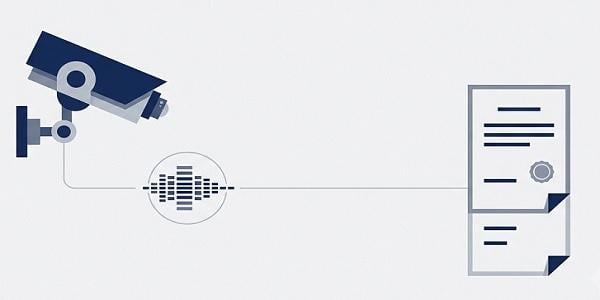
A prominent example is the so-called ‘digital arrest’ scam, where callers impersonate TRAI or law enforcement officials and falsely accuse individuals of telecom or financial violations or criminal actions. Victims are manipulated through fake legal documents, forged identities, and threats of arrest or account freezing, and are coerced to transfer money under the pretext of bail, fines, or verification.
TRAI reiterates that it does not initiate communication with customers regarding mobile number disconnection through messages or otherwise. TRAI has also not authorized any third-party agency to contact customers for such purposes. No regulatory body conducts investigations or collects payments through phone calls, messaging apps, or video platforms.
Other frauds misusing TRAI’s identity include:
- SIM Deactivation Threats: Calls or messages falsely claiming that a mobile number will be disconnected due to KYC issues unless immediate action is taken.
- Mobile Tower Installation Offers: Fraudulent proposals offering high rental income in exchange for upfront registration fees, often supported by forged TRAI approvals.
- Forged Letters or Emails: Circulation of fake documents or emails using TRAI’s logo to legitimise demands for money, investment offers, or compliance actions.
TRAI Clarification
TRAI is an independent statutory authority established under the Telecom Regulatory Authority of India Act, 1997. It regulates telecom and broadcasting services, recommends policy measures to the Government, and monitors service quality.
TRAI does not:
- Conduct investigations against individual consumers
- Request Aadhaar, bank account, OTP, or other personal details
- Issue arrest threats or warnings via digital platforms
Public Advisory
Citizens are advised to:
- Disconnect immediately if they receive threatening or suspicious calls
- Avoid sharing personal, banking, or identification details on calls or video chats
- Never transfer money in response to unsolicited demands
- Verify independently through official websites or government helplines
- Report frauds to the National Cybercrime Helpline (1930) or www.cybercrime.gov.in
- Flag suspicious numbers via the Chakshu facility on Sanchar Saathi or the TRAI DND app
TRAI urges all citizens—especially senior citizens and digitally less-experienced users – to stay vigilant and share this information widely. Early awareness and timely reporting are critical in preventing such frauds.
Samrat/Allen
(Release ID: 2153153)
Read this release in: Urdu , Hindi , Marathi , Malayalam