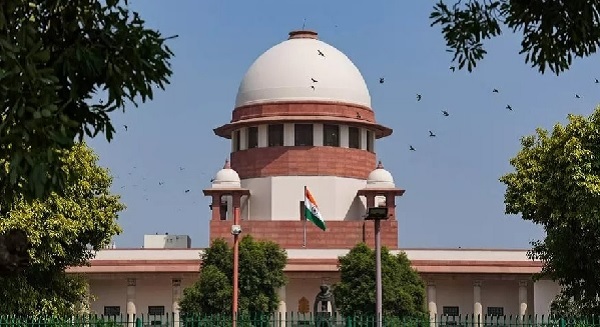
Shrimanth Balasaheb Patil Vs Karnataka Legislative Assembly And Others (Supreme Court of India)
The Supreme Court considered a batch of writ petitions filed by members of the 15th Karnataka Legislative Assembly challenging orders of the Speaker that rejected resignations tendered by several members, disqualified all the petitioners under the Tenth Schedule of the Constitution, and directed that their disqualification would continue until the end of the term of the Assembly. The controversy arose against the background of the political developments surrounding the INC-JD(S) coalition government and the trust vote held on 23 July 2019. The Court examined four principal questions: maintainability of petitions under Article 32, the validity of the Speaker’s decisions concerning resignation and disqualification, the Speaker’s power to prescribe the duration of disqualification, and whether the issues required reference to a larger Bench. The lead matter was W.P. (C) No. 992 of 2019, Shrimanth Balasaheb Patil v. Hon’ble Speaker, Karnataka Legislative Assembly and Others.
On maintainability, the Court held that when the Speaker decides a disqualification petition under the Tenth Schedule, he functions as a quasi-judicial authority or tribunal and his decision is amenable to judicial review. An order may be reviewed on recognised grounds including violation of constitutional mandate, mala fides, non-compliance with natural justice and perversity. Article 32 jurisdiction was therefore not altogether excluded. The Court nevertheless stated that ordinarily a person challenging a disqualification order should first approach the High Court, which would be the appropriate, effective and expeditious remedy. The Court entertained these petitions because of their peculiar procedural history, including interim orders earlier passed by the Supreme Court itself.