

Corporate Law
Type: Articles
Read latest TaxGuru articles on Income Tax, GST, Company Law, Finance, Customs, Corporate Law, FEMA, SEBI and other tax and business topics.

Fema / RBI
Foreign Liabilities and Assets (FLA) Return

Goods and Services Tax
Reducing GST Compliance Burden: Reforms, Portal Upgrades & Tax Professionals’ Role


Goods and Services Tax
CBI Arrests CGST Officials Over Alleged Bribe Demand in ITC Mismatch Case
Goods and Services Tax
Analysis of Standardised Annexure-B Offline Utility & System-Based Adjudication
Goods and Services Tax
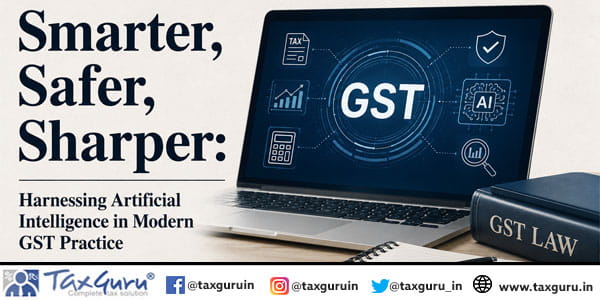
Smarter, Safer, Sharper: Harnessing Artificial Intelligence in Modern GST Practice

Income Tax
Income Tax Return – Who should verify?

Articles on TaxGuru provide practical analysis, commentary and explanations across taxation, finance, corporate and business laws. This category brings together articles on Income Tax, GST, Company Law, Corporate Law, Customs, DGFT, Excise, Service Tax, FEMA/RBI, SEBI, finance and professional matters concerning CA, CS and CMA. Readers can explore contributions discussing statutory provisions, compliance requirements, regulatory changes, professional developments and practical issues affecting taxpayers and businesses. Chartered Accountants, Company Secretaries, Cost Accountants, advocates, tax professionals, businesses and taxpayers can use this archive to discover recent articles as well as useful earlier reference material published on TaxGuru.

