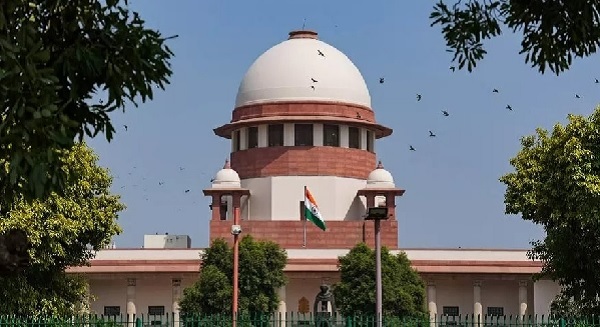
Sushil Kumar Thard Vs National Jute Manufactures Corporation Limited & Ors. (Calcutta High Court)
The Calcutta High Court has directed the National Jute Manufactures Corporation (NJMC), a Government of India undertaking, to refund the pre-bid earnest money deposit to a bidder, Sushil Kumar Thard, deeming the forfeiture of the amount as unreasonable, arbitrary, and contrary to law.
The case arose from an e-auction floated by NJMC for the disposal of movable assets of Khardah Jute Mills. Thard, the successful bidder, deposited ₹2.20 crores as pre-bid earnest money. After his bid was accepted, he sought clarifications regarding the removal of materials and demarcation of assets before making the full security deposit. When these clarifications were not provided, Thard decided not to proceed with the sale, leading NJMC to forfeit his earnest money.
The High Court, in its judgment, addressed several key issues:
- Fairness and Equality: The court emphasized that as a public entity under Article 12 of the Constitution, NJMC is bound by Article 14, which mandates equal treatment. The forfeiture clause in the bid document was deemed unconscionable as it penalized the bidder even before a formal contract was signed.
- Proof of Actual Loss: Citing Section 73 of the Indian Contract Act, 1872, the court stated that forfeiture of earnest money is permissible only if the seller proves actual loss caused by the buyer’s breach. NJMC failed to demonstrate any such loss.
- Reasonableness of Damages: The court found NJMC’s assessment of damages to be inflated, exaggerated, and remote. The expenses claimed by NJMC, including security services, overhead, legal expenses, and insurance costs, were deemed neither reasonable nor foreseeable.
- Interpretation of “Liable for Forfeiture”: The court noted that the clause used the term “liable for forfeiture,” which implies a permissive action (“may”) rather than a mandatory one (“shall”). This further weakened NJMC’s claim to automatically forfeit the entire amount.
Judicial Precedents