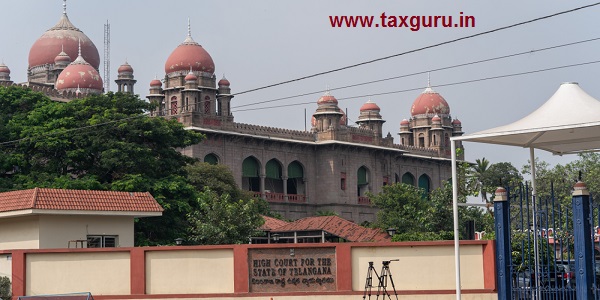
Amba Shakti Udyog Ltd. Vs State of Madhya Pradesh (Madhya Pradesh High Court)
Introduction: The case of Amba Shakti Udyog Ltd. vs. State of Madhya Pradesh revolves around a manufacturer and trader challenging an assessment order issued under Section 74 of the GST Act. This article provides a detailed analysis of the case, emphasizing the significance of timely appeals under Section 107 of the GST Act and the process of condoning delays in such appeals.
Detailed Analysis:
1. Background of the Case: The petitioner, a manufacturer and trader, disputes an assessment order issued by the Assessing Officer under Section 74 of the GST Act. The petitioner raises concerns about the procedure followed and the tax liability imposed. Key submissions by the petitioner include:
(A) Non-receipt of necessary attachments despite a show-cause notice. (B) Alleged inadequate consideration of facts by the Assessing Officer. (C) Non-consideration of the petitioner’s submitted reply.
2. Jurisdiction and Appellate Forum: It is crucial to note that the show-cause notice under Section 74 of the GST Act was issued by the Competent Authority, and the subsequent assessment order was also issued by the same authority. Therefore, the source and jurisdiction of the Authority remain unquestionable. Given this, once the petitioner submitted to the jurisdiction of the Assessing Officer, and the assessment order was passed, it was incumbent upon the petitioner to approach the appellate forum, as stipulated under Section 107 of the GST Act. However, this was not pursued.
3. The Significance of Timely Appeals: The case underscores the importance of timely filing of appeals as provided for in Section 107 of the GST Act. Even when facing procedural irregularities or concerns regarding assessments, utilizing the prescribed appellate process is crucial for seeking resolution.
4. Condonation of Delay: The petitioner seeks to withdraw the writ petition and file a duly constituted appeal under Section 107 of the GST Act. However, there is a challenge related to the delay in filing the appeal. Despite a prescribed limitation period of three months, more than two years have elapsed since the assessment order. Condonation of this delay is requested.
5. Court’s Decision: The Court, considering principles of justice, equity, good conscience, and the petitioner’s bona fides, allows the petitioner to proceed with the appeal despite the delay caused by the pending writ petition. The delay should not impede the petitioner’s ability to contest the assessment before the appellate forum.
Conclusion: The Amba Shakti Udyog Ltd. vs. State of Madhya Pradesh case underscores the critical importance of adhering to the timelines for filing appeals under Section 107 of the GST Act. It highlights that even when facing issues related to assessments and procedural irregularities, utilizing the prescribed appellate process is vital. The Court’s decision grants the petitioner the opportunity to address their grievances through the prescribed appellate forum, despite the delay caused by the pending writ petition.
FULL TEXT OF THE JUDGMENT/ORDER OF MADHYA PRADESH HIGH COURT
Petitioner, a manufacturer and trader, is before this Court under Article 226 of the Constitution of India taking exception to the impugned order dated 08.12.2020 passed by the Assessing Officer in exercise of powers contained under Section 74 of GST Act.
2. Petitioner, while criticizing the impugned order, has made following submissions:
(A) That though show-cause notice running in two pages was sent to the assessee on portal with an endorsement of attachments; however, no attachment was supplied to him. Despite protracted correspondence vide letters dated 16.10.2020, 18.11.2020 and 27.11.2020, documents were not supplied;
(B) The Assessing Officer has not considered the facts in right earnest and saddled the assessee with the huge liability of tax; and
(C) The reply submitted by the petitioner has not been considered.
However, it is not disputed that the show-cause notice under Section 74 of the GST Act was issued by the Competent Authority and the impugned order was also passed by the Competent Authority. Therefore, source and jurisdiction of the Authority being unquestionable, once the petitioner has submitted to the jurisdiction of the Assessing Officer and thereafter the assessment order has been passed, in all fairness, the assessee should have approached the appellate forum as contemplated under Section 107 of GST Act. That has not been done.
3. We have no reason to doubt that the pleas available to the petitioner on facts and in law including the alleged procedural irregularities, if were raised before the appellate forum, the same would not have been addressed.
4. Be that as it may.
5. After arguing for a while, learned counsel for the petitioner seeks leave of this Court to withdraw the instant writ petition with liberty to file duly constituted appeal under Section 107 of the GST Act. However, learned counsel seeks indulgence in the matter of condonation of delay in filing the appeal as now at this distance of time, more than two years’ period has passed by whereas limitation prescribed is of three months.
6. Shri Raghuvanshi, learned Additional Advocate General appearing on behalf of the respondent/State, though at the first instance opposed the prayer in that behalf with submission that the petitioner was well aware of the factum of availability of alternative, efficacious, statutory remedy of appeal, at the time of filing of writ petition. Therefore, mere pendency of writ petition may not be a ground for condonation of delay. Choice of wrong forum is no excuse.
7. Upon hearing learned counsel for the parties and bearing in mind the concept of justice, equity and good conscience besides bona fides of the petitioner, we are of the view that the delay caused due to pendency of the writ petition should not come in the way of the petitioner in agitating the order of assessment before the appellate forum.
8. Consequently, we dispose of this appeal with the following order:
(a) In case, appeal is filed within 30 days under Section 107 of GST Act, the Appellate Authority shall not insist on the question of limitation and address the issues raised by the petitioner on facts and in law as well as alleged irregularities in the matter of framing of impugned assessment;
(b) The petitioner shall also be at liberty to apply for interim protection, if not prohibited in law, and the same shall be adverted to by the Appellate Authority with promptitude.