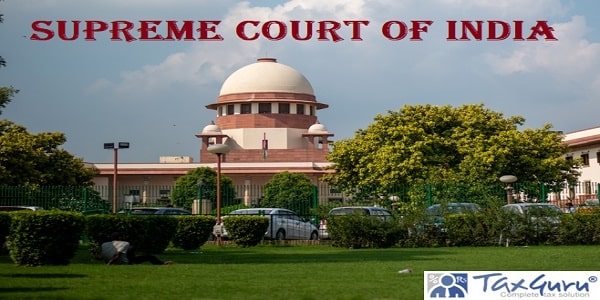
State of Himachal Pradesh & Ors. Vs Raj Kumar & Ors. (Supreme Court of India)
Summary: The Supreme Court considered whether public posts that became vacant before amendment of recruitment rules must necessarily be filled according to the old rules. The dispute arose after seven additional Labour Officer posts were sanctioned in Himachal Pradesh on 20.07.2006. The governing 1966 Rules contemplated filling Labour Officer posts by promotion. On 25.11.2006, however, new Recruitment and Promotion Rules came into force providing for 75% promotion and 25% direct recruitment. Respondent Labour Inspectors contended that since the additional vacancies had arisen before the amended Rules, they had to be filled entirely under the old Rules. The Himachal Pradesh High Court accepted this contention by relying on Y.V. Rangaiah v. J. Sreenivasa Rao and interfered with appointments made through direct recruitment.
The Supreme Court undertook an extensive review of Rangaiah and the numerous subsequent decisions that had either followed or distinguished it. Examining Articles 309, 310 and 311 of the Constitution and the nature of public employment, the Court held that government service is governed by statutory status rather than ordinary contractual rights. A public servant’s rights and obligations must therefore be sourced from the applicable service rules. There is no vested right independent of those rules to insist that vacancies be filled according to the rules prevailing when the vacancies arose. The Court clarified that Rangaiah itself arose from a particular statutory requirement under which an approved panel had to be prepared every year; its observation regarding earlier vacancies could not properly be elevated into an invariable rule applicable to all public recruitment and promotion.
Want to Read the Complete Judgment?
You have read the free case summary. Unlock the full judgment, the detailed judicial reasoning and the downloadable PDF, along with every other premium judgment on TaxGuru.
Already subscribed? Log in
One subscription covers the entire premium judgment library, not just this case.