
Type: Articles
Read latest TaxGuru articles on Income Tax, GST, Company Law, Finance, Customs, Corporate Law, FEMA, SEBI and other tax and business topics.
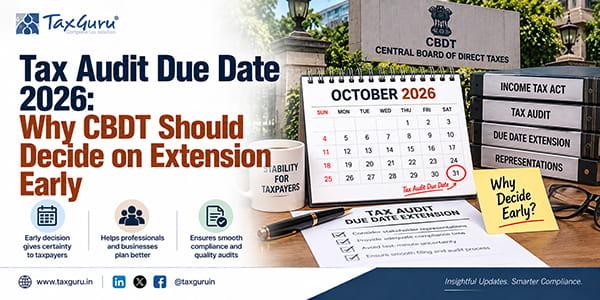
Tax Audit Due Date 2026: Why CBDT Should Decide on Extension Early

Allahabad HC Orders Release, Rs 50,000 Compensation for Illegal Police Custody
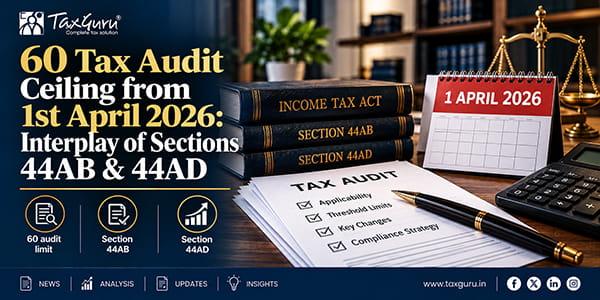
60 Tax Audit Ceiling from 1st April 2026: Interplay of Sections 44AB & 44AD

Clock on ITC: Understanding Time Limits for Claiming Input Tax Credit under GST

Capital Reduction Cannot Be Taxed as Buyback Under Section 115QA: ITAT Delhi

Transactions Without Consideration Treated as Deemed Supplies Under GST

Trademark Opposition in India: Step-by-Step Guide

Non-Connected Person Can Still Be Insider Through UPSI Possession: SEBI
24-Hour Mistake That Could Cost Your Business Millions: Avoiding EPF Trap

Can a Board Meeting and General Meeting Be Held on the Same Day?

GST Exemptions: Relief for Taxpayers and Their Impact on the Tax System

Blocked Credits under GST: Why Some Business Expenses Do Not Qualify for ITC

Managing Director Criminal Liability Depends on Statutory & Personal Involvement
GST Audit Adjudication, Proper Officer Jurisdiction and Hearing Rights
Articles on TaxGuru provide practical analysis, commentary and explanations across taxation, finance, corporate and business laws. This category brings together articles on Income Tax, GST, Company Law, Corporate Law, Customs, DGFT, Excise, Service Tax, FEMA/RBI, SEBI, finance and professional matters concerning CA, CS and CMA. Readers can explore contributions discussing statutory provisions, compliance requirements, regulatory changes, professional developments and practical issues affecting taxpayers and businesses. Chartered Accountants, Company Secretaries, Cost Accountants, advocates, tax professionals, businesses and taxpayers can use this archive to discover recent articles as well as useful earlier reference material published on TaxGuru.

