
Type: Articles
Read latest TaxGuru articles on Income Tax, GST, Company Law, Finance, Customs, Corporate Law, FEMA, SEBI and other tax and business topics.

Missing Railway Ticket Cannot Defeat Bona Fide Passenger Claim: SC

Best Fixed Deposit Options In India

30-Day Form 10B Delay Condoned on Genuine Hardship: Bombay HC

Contractor or Developer? Bombay HC Refuses a Third Round of Fact-Finding

Board Meeting Procedure Under Section 173: Notice, Proceedings & Minutes Compliance

OPC Financial Statement Filing 2026: Pre-Filing Checklist
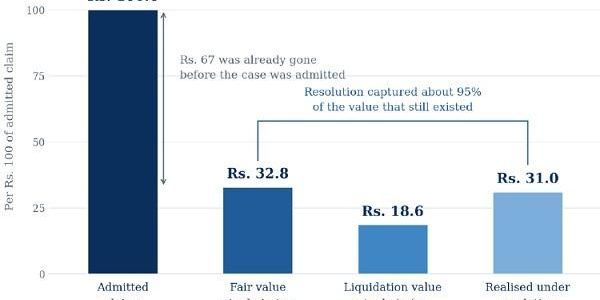
IBC Haircuts Must Be Measured Against Remaining Economic Value, Not Claims Alone

SEBI Proposes Reforms to Improve Price Discovery in Pre-Open Auctions
GST Appellate Tribunal: Will It Resolve GST Disputes More Efficiently?

SEBI Simplifies Nomination Framework for Demat Accounts and Mutual Fund Folios

Land Border FDI Rules Clarify Beneficial Ownership Tests Under Press Note 2

Interest on Income Tax Refund Cannot Be Denied Using Later Amendment: Gujarat HC

Company Secretary’s Evolving Role: From Compliance to Strategic Governance

India–UAE Double Taxation: How Foreign Tax Credit Actually Works
Articles on TaxGuru provide practical analysis, commentary and explanations across taxation, finance, corporate and business laws. This category brings together articles on Income Tax, GST, Company Law, Corporate Law, Customs, DGFT, Excise, Service Tax, FEMA/RBI, SEBI, finance and professional matters concerning CA, CS and CMA. Readers can explore contributions discussing statutory provisions, compliance requirements, regulatory changes, professional developments and practical issues affecting taxpayers and businesses. Chartered Accountants, Company Secretaries, Cost Accountants, advocates, tax professionals, businesses and taxpayers can use this archive to discover recent articles as well as useful earlier reference material published on TaxGuru.

