
Type: Articles
Read latest TaxGuru articles on Income Tax, GST, Company Law, Finance, Customs, Corporate Law, FEMA, SEBI and other tax and business topics.



Section 16(2)(c) and 180 Day Rule: How GST Makes Genuine Buyers Pay Twice
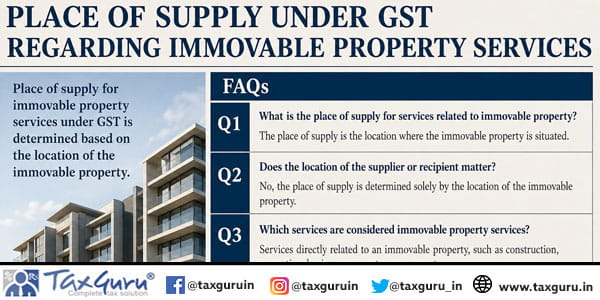
Place of supply under GST regarding Immovable Property Services with FAQs
From Tax Trap to Global Hub: Redefining Place of Supply for Indian Intermediary services
Section 16(2)(c) CGST Act: Why Genuine Buyers Are Losing ITC Despite Valid Transactions

18-Month Countdown: A Plan for How to Follow DPDP 2027

Is The Current Tax System Really Fair or it Becoming Too Harsh?
Simplified GST Registration Under Rule 14A
Articles on TaxGuru provide practical analysis, commentary and explanations across taxation, finance, corporate and business laws. This category brings together articles on Income Tax, GST, Company Law, Corporate Law, Customs, DGFT, Excise, Service Tax, FEMA/RBI, SEBI, finance and professional matters concerning CA, CS and CMA. Readers can explore contributions discussing statutory provisions, compliance requirements, regulatory changes, professional developments and practical issues affecting taxpayers and businesses. Chartered Accountants, Company Secretaries, Cost Accountants, advocates, tax professionals, businesses and taxpayers can use this archive to discover recent articles as well as useful earlier reference material published on TaxGuru.

