
Type: Articles
Read latest TaxGuru articles on Income Tax, GST, Company Law, Finance, Customs, Corporate Law, FEMA, SEBI and other tax and business topics.

Sovereign Taxing Power Is Subject to Constitutional Limits Under Articles 14, 246 and 265
Most Appropriate Transfer Pricing Method Depends on Reliable Transaction Evidence

Deposits under Companies Act, 2013: Meaning, Exclusions, DPT-3 & Shareholder Loans

Decoupling the Illusion: Domestic Liquidity Cannot Substitute Global Capital

EPFO Wage Ceiling Increased from ₹15,000 to ₹25,000: What Employees Should Know

Union Budget 2026–27 Changes M&A Deal Structuring Across FEMA, Buybacks & IFSC

UAE Free-Zone Companies: Tax Benefits and Compliance Conditions

IBC Moratorium Shields Corporate Debtor, Not Directors: Criminal and Homebuyer Claims
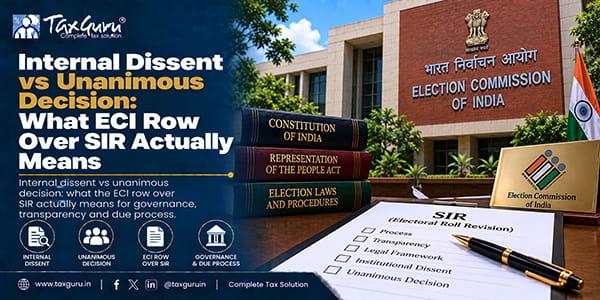
Internal Dissent vs Unanimous Decision: What ECI Row Over SIR Actually Means
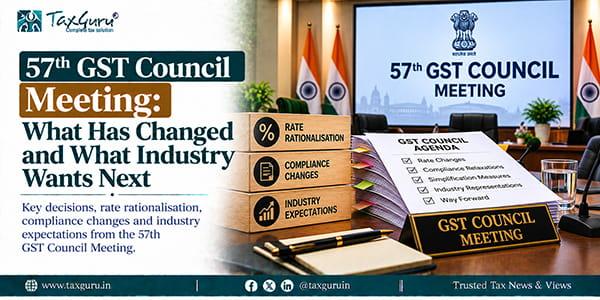
57th GST Council Meeting: What Has Changed and What Industry Wants Next

MDR on Select UPI P2M Transactions: Rates, Thresholds & Exemptions

Section 270AA Misreporting Immunity: Clarification Needed for Earlier Assessment Years

Tax Audit Report Deadline Extended to 21 October 2026: CBDT Relief Explained

Securities Premium Account: Five Permitted Uses Under Companies Act 2013
Articles on TaxGuru provide practical analysis, commentary and explanations across taxation, finance, corporate and business laws. This category brings together articles on Income Tax, GST, Company Law, Corporate Law, Customs, DGFT, Excise, Service Tax, FEMA/RBI, SEBI, finance and professional matters concerning CA, CS and CMA. Readers can explore contributions discussing statutory provisions, compliance requirements, regulatory changes, professional developments and practical issues affecting taxpayers and businesses. Chartered Accountants, Company Secretaries, Cost Accountants, advocates, tax professionals, businesses and taxpayers can use this archive to discover recent articles as well as useful earlier reference material published on TaxGuru.

