
Courts: All High Courts
Read latest High Court judgments and orders on Income Tax, GST, Customs, Company Law and other taxation, corporate, commercial and regulatory matters.

ITC Denial Upheld Due to Supplier Tax Default Under GST Law: Gujarat HC
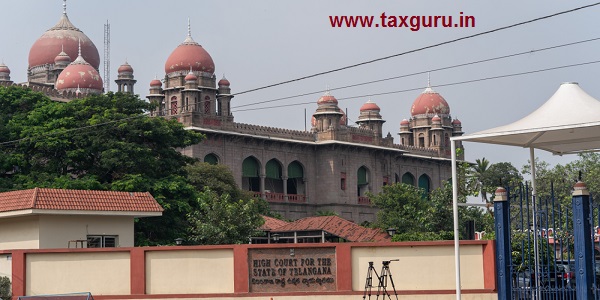
No GST Recovery for Two Weeks as Court Permits Delayed Appeal Filing: Telangana HC
GST Writ Withdrawn to File Appeal, Telangana HC Allows Delay Condonation Plea
GST Appeal Allowed Despite Delay, Telangana HC Grants Liberty to File Appeal
Telangana HC allows delayed GST appeal despite challenge to unsigned SCN & order
Telangana HC Allows Delayed GST Appeal, Stays Garnishee Action

GST Penalty Order Invalid as Amount Exceeds SCN Proposal: Allahabad HC

Reassessment After 4 Years Quashed as No Failure to Disclose Material Facts: Bombay HC
Gujarat HC stays IBBI order of 2 years suspension
Gauhati HC on a humane approach & powers of Commissioner under Section 264
GST Parallel Proceedings Valid if Subject Matter Differs: Telangana HC
Telangana HC Allows GST Revocation Despite Time-Bar, Cites Accountant’s Default
GST Revocation Allowed After Return Delay Due to Covid Business Losses
Telangana High Court directs rectification route in GST royalty RCM dispute
All High Courts brings together judgments and orders of High Courts across India published on TaxGuru. The archive covers Income Tax, GST, Customs, Company Law, Corporate Law, insolvency, commercial laws and other taxation and regulatory matters. Readers can research important questions of law, constitutional challenges, writ petitions, statutory appeals and other proceedings decided by different High Courts. Chartered Accountants, advocates, tax professionals, businesses and legal researchers can use this consolidated archive to follow High Court jurisprudence across India. Separate High Court categories are available for court-specific judgments and orders.

