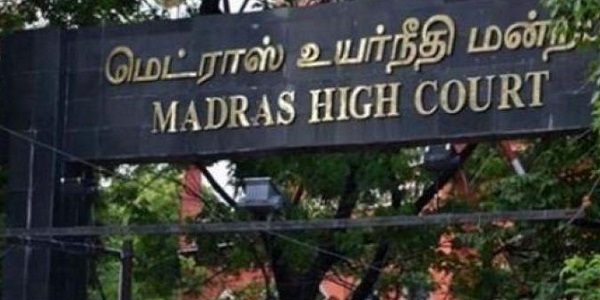
Blast Metal Spray Processors Vs Superintendent of GST and CE (Madras High Court)
Madras High Court addressed a writ petition filed by Blast Metal Spray Processors challenging an Order-in-Original (04/2022-GST) dated December 19, 2022. The petitioner, engaged in machining and surface treatment for windmill components, faced allegations of availing input tax credit (ITC) on invoices issued by fictitious suppliers, M/s. Mahendra Enterprises and M/s. Vijay Lakshmi Industries. Following an investigation initiated by the Chennai North Commissionerate, a show-cause notice (SCN) was issued on June 29, 2022. Despite being offered a personal hearing on December 6, 2022, the petitioner neither submitted a reply nor participated in the hearing, leading to the confirmation of tax demands and penalties.
The petitioner sought a final opportunity to present objections, citing a judgment in M/s. K. Balakrishnan, Balu Cables vs. Assistant Commissioner of GST (2024). In that case, the Madras High Court remanded a similar matter with conditions, including payment of 25% of disputed taxes. The petitioner claimed to have already remitted the entire tax amount and requested the lifting of a bank account attachment. The respondent raised no objection to granting the petitioner a fresh opportunity under specific conditions.
By mutual consent, the Court disposed of the petition with detailed directions. The impugned order was set aside, subject to the petitioner depositing 25% of disputed taxes within four weeks. Any prior payments, including pre-deposits, would be adjusted against this amount. Upon compliance, the impugned order would be treated as a show-cause notice, allowing the petitioner to file objections within an additional four weeks. If objections are filed, the adjudicating authority must consider them and issue a fresh order after a fair hearing. Non-compliance with the deposit or filing deadlines would result in the restoration of the original order.
The Court also directed that any recovery measures, such as bank account attachments, must be lifted upon meeting the conditions. The petitioner’s failure to comply with these timelines would lead to automatic reinstatement of the original order. The Court’s approach emphasized adherence to natural justice principles while balancing compliance obligations under the GST Act.
This decision aligns with judicial precedents that ensure taxpayers are granted an opportunity to address allegations, provided they meet preliminary conditions like partial payment of disputed taxes.
FULL TEXT OF THE JUDGMENT/ORDER OF MADRAS HIGH COURT