
Month: October 2022
864 articlesCorporate Law
Corporate Law
Gadkari emphasizes importance of E-vehicles in transforming Automobile industry
Corporate Law
Corporate Law
DoT unearths fraudulent illegal Telecom set-ups to route ISD calls
Corporate Law
Corporate Law
23.45 crore e-KYC transactions executed via Aadhaar in August
Goods and Services Tax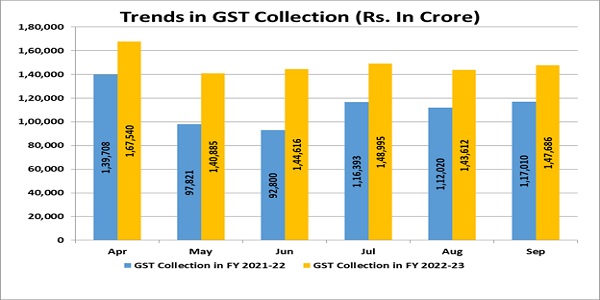
Goods and Services Tax
Monthly GST revenues more than ₹ 1.4 lakh crore for seven months in a row
Corporate Law
Corporate Law
Salient Features of EPS, 95 & steps to file EPF/EPS nomination digitally
Goods and Services Tax
Goods and Services Tax
GST fraud worth ₹824 cr by insurance companies detected
Income Tax
Income Tax
FM urged Income Tax Department to focus on 3 R’s
Service Tax
Service Tax
Service tax not leviable on premium charged due to interest restructuring
Goods and Services Tax
Goods and Services Tax
Critical Analysis of Instruction on Prosecution under GST
Income Tax
Income Tax
Interest earned on loans to staff members taxable as Income from Other Sources
Finance
Finance
Sale of Electoral Bonds at Authorized Branches of SBI
Income Tax
Income Tax
Rule 132: Application for Re-computation of Income under section 155(18)
Goods and Services Tax
Goods and Services Tax
GST Amendments w.e.f 01.10.2022 -Simplified
Corporate Law
Corporate Law

