
Type: News
Read latest TaxGuru news on taxation, GST, Income Tax, finance, business, corporate laws, regulatory developments and professional updates.

Consolidated Customs Notifications FAQ 2025

IFSCA Recognizes ICSI Stewardship Principles for Fund Managers

Download Guidebook on Mapping of Harmonized System of Nomenclature (HSN) Codes
CBDT issues Income Tax Search & Seizure Manual 2025

IFSCA Seeks Feedback on Blended Finance Framework for Restricted & VC Schemes

SEBI Proposes Relaxing India Geo-Tagging for NRI Digital Re-KYC
SEBI Proposes New KYC Rule for Mutual Fund Folio Opening
IFSCA Proposes Differential Distribution for IFSC Funds to Aid Blended Finance

CBDT releases Advance Pricing Agreement Programme Annual Report 2024–25

Uttarakhand GST Cuts Boost Agriculture, Tourism and Industry
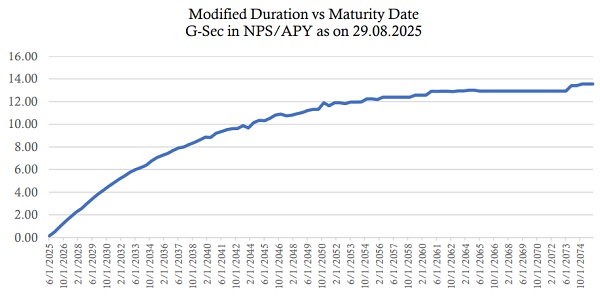
PFRDA Proposes Dual Valuation for NPS/APY Government Securities

Reasoned Intimations Now Mandatory for Removal of Online Content
SEBI Proposes Transfer Timeline for Unclaimed Debt Funds

Live Course On GSTR-9 & GSTR-9C for FY 2024-25
News brings together important developments affecting taxpayers, businesses, professionals and the financial and regulatory ecosystem. TaxGuru covers news relating to Income Tax, GST, Company Law, Corporate Law, Customs, DGFT, FEMA/RBI, SEBI, finance, business, professional bodies and other tax and regulatory subjects. The category includes developments arising from government decisions, regulators, departments, courts, professional institutions and other relevant sources. Readers can use this page to stay informed about recent changes, announcements and developments having implications for taxation, compliance, finance, business and professional practice.

