
Type: Articles
Read latest TaxGuru articles on Income Tax, GST, Company Law, Finance, Customs, Corporate Law, FEMA, SEBI and other tax and business topics.

Release of Amount Seized By Police/ Investigating Authority During Investigation/ Inquiry or Trial of A Cyber-Fraud

What Happens If You Drive Without Car Insurance in India? Penalties & Risks

When Corporate Operations Turn Criminal: Understanding Fraud, Mismanagement & SFIO

E-Invoice Applicability on Export Supplies: Key Issues, Clarifications & Compliance Tips

Understanding Compliance Pressure: Why GST Enforcement Feels Intensive for Businesses
Restoring the Missing Link in India’s GST Justice Framework – GSTAT

Need for a Policy Framework for Mandating Tax-Inclusive Credit Scoring in India

Ink of Freedom: Reflections on Birth & Uniqueness of Indian Constitution

RSP-Based Valuation for Notified Tobacco Products from 01.02.2026
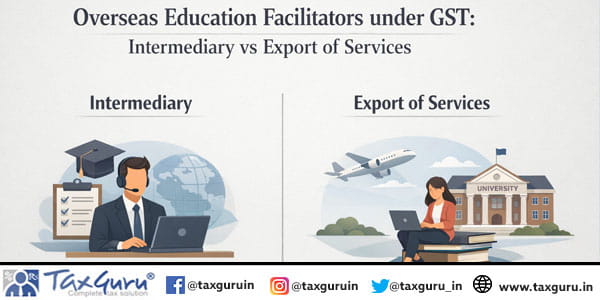
Overseas Education Facilitators under GST: Intermediary vs Export of Services
Fraud-Based GST Proceedings Against Statutory Bodies: A Critical Analysis
GST Refund on Export of Education Consultancy Services: Limitation under Section 54 Post K C Overseas
मूल्यांकन नियमों में बदलाव के कारण 1 फरवरी 2026 से तंबाकू उत्पादों पर RSP आधारित GST लागू होगा
U.S. Taxation 2026: Itemized Deductions Explained for AY 2025–26
Articles on TaxGuru provide practical analysis, commentary and explanations across taxation, finance, corporate and business laws. This category brings together articles on Income Tax, GST, Company Law, Corporate Law, Customs, DGFT, Excise, Service Tax, FEMA/RBI, SEBI, finance and professional matters concerning CA, CS and CMA. Readers can explore contributions discussing statutory provisions, compliance requirements, regulatory changes, professional developments and practical issues affecting taxpayers and businesses. Chartered Accountants, Company Secretaries, Cost Accountants, advocates, tax professionals, businesses and taxpayers can use this archive to discover recent articles as well as useful earlier reference material published on TaxGuru.

