
Type: Articles
Read latest TaxGuru articles on Income Tax, GST, Company Law, Finance, Customs, Corporate Law, FEMA, SEBI and other tax and business topics.

Retrospective GST Cancellation: Buyers Punished for Supplier Defaults by Officers
RBI Proposes Overhaul of Digital Fraud Liability Framework: Key Changes & Implications
GST on Real Estate in India: Key Rates, Rules and Compliance Framework

SC Disappointed as High Courts Repeatedly Postpone Bail Pleas Affecting Personal Liberty
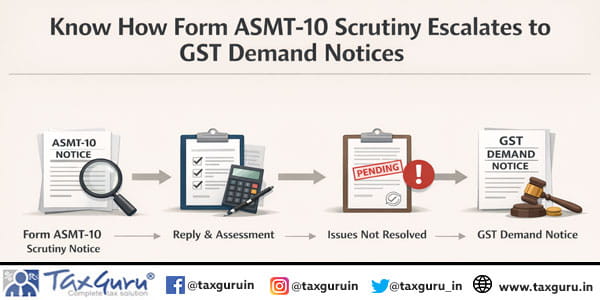
Know How Form ASMT-10 Scrutiny Escalates to GST Demand Notices
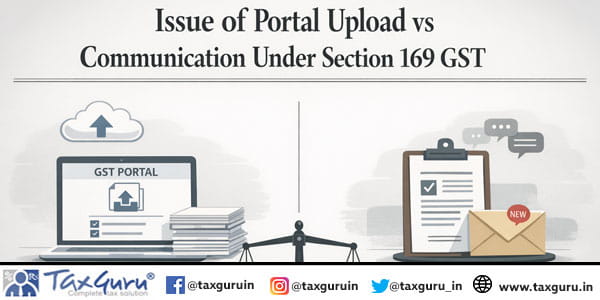
Issue of Portal Upload vs Communication Under Section 169 GST
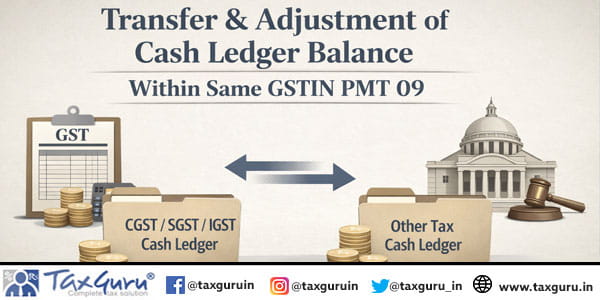
Transfer & Adjustment of Cash Ledger Balance Within Same GSTIN PMT 09
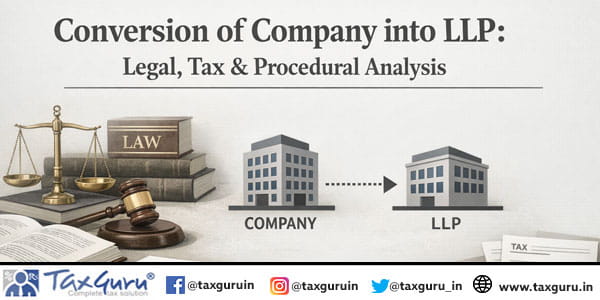
Conversion of Company into LLP: Legal, Tax & Procedural Analysis
Budget 2026: Disallowance of Deduction of Interest on Dividend Income
Bona Fide Recipients Targeted Instead of Defaulting Suppliers u/s 64 of GST
Practical Problem: Refund of Accumulated ITC under GST (Inverted Duty Structure)

Bombay HC Rejects Plea Seeking Space Allotment in Airport to Offer Namaz
Adv. Mukul Rohatgi Case: Section 263 Revision Invalid as AO Had Conducted Proper Inquiry
Simultaneous CIRP Against Borrower & Guarantor Allowed as Liability Is Co-Extensive: SC
Articles on TaxGuru provide practical analysis, commentary and explanations across taxation, finance, corporate and business laws. This category brings together articles on Income Tax, GST, Company Law, Corporate Law, Customs, DGFT, Excise, Service Tax, FEMA/RBI, SEBI, finance and professional matters concerning CA, CS and CMA. Readers can explore contributions discussing statutory provisions, compliance requirements, regulatory changes, professional developments and practical issues affecting taxpayers and businesses. Chartered Accountants, Company Secretaries, Cost Accountants, advocates, tax professionals, businesses and taxpayers can use this archive to discover recent articles as well as useful earlier reference material published on TaxGuru.

