
Type: Articles
Read latest TaxGuru articles on Income Tax, GST, Company Law, Finance, Customs, Corporate Law, FEMA, SEBI and other tax and business topics.


Composite GST Notices: The Case for Severability Over Invalidation
Do You Really Need GST Registration? Common Mistakes Businesses Must Avoid
Why GST Crackdown Is Targeting Easy Taxpayers Instead of Fraudsters?

Delhi High Court Cracks Whip in Digital Arrest Scam

FAQs on Closure of Business under GST

Analysis of Prevention of Atrocities Act, 1989
GST Refund Cannot Be Denied for Double Payment Due to Limitation: Orissa HC
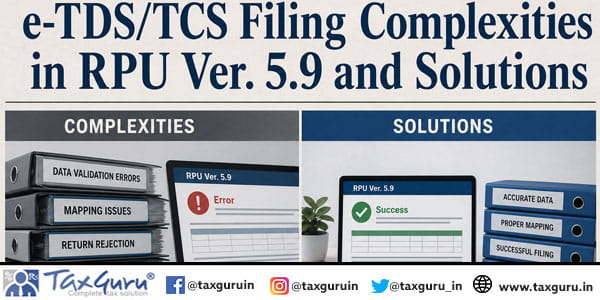

Articles on TaxGuru provide practical analysis, commentary and explanations across taxation, finance, corporate and business laws. This category brings together articles on Income Tax, GST, Company Law, Corporate Law, Customs, DGFT, Excise, Service Tax, FEMA/RBI, SEBI, finance and professional matters concerning CA, CS and CMA. Readers can explore contributions discussing statutory provisions, compliance requirements, regulatory changes, professional developments and practical issues affecting taxpayers and businesses. Chartered Accountants, Company Secretaries, Cost Accountants, advocates, tax professionals, businesses and taxpayers can use this archive to discover recent articles as well as useful earlier reference material published on TaxGuru.

