
#Custom Duty Notifications
Log in to FollowStay updated on custom duty notifications for changes in import/export regulations, tariffs, and trade facilitation measures. Get the latest updates on duty exemptions, preferential trade agreements, and compliance requirements through custom duty notifications.

ODU Controller PCB classifiable under HSN Code 84159000: CAAR

ViewSonic Interactive Flat Panel (All-in-one computer system) classifiable under HS Code 84714190

YubiKey manufactured by Yubico AB classifiable under HS Code 84718000
Customs Ruling on Charges Inclusion in Assessable Value: United Spirits Limited Case

Latex Rubber Balloons for Holi Celebrations classifiable under HSN Code 95030099

Adhesive: Net Weight <1 kg - Merit Classification under HS Code 35069999
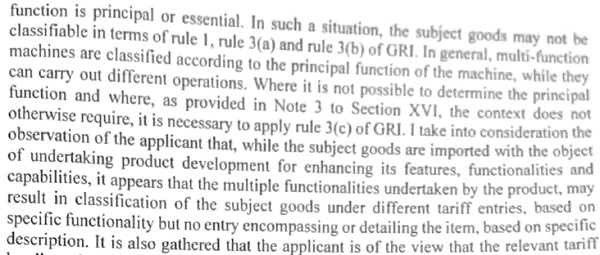
Augmented Reality (AR) Device classifiable under HSN Code 90318000
CAAR rejects application as question raised is pending before Officer of Custom
Revolutionizing E-Commerce Exports: India’s Innovative Customs Initiatives

Customs Exchange Rates effective from 19th December, 2023
Revised Tariff Values of Edible Oils, Brass Scrap, Areca Nut, Gold & Silver wef 16.12.2023
Provisional Collection of Taxes Bill, 2023

Veterinary Health Certificate for Import of Milk and Milk Products into India

BIS Registration and Sampling Mandate for Import Goods
Custom duty notifications are official communications issued by customs authorities to inform individuals, businesses, and organizations about changes in import/export regulations, tariffs, and trade-related measures. These notifications play a vital role in providing timely and essential information to stakeholders involved in international trade.
Custom duty notifications serve various purposes, including:
- Tariff Updates: Custom duty notifications announce changes in customs duties and tariffs for specific goods or product categories. These updates may involve adjustments to duty rates, exemptions, preferential trade agreements, or trade bloc arrangements. Staying informed about these updates helps businesses assess the financial impact of importing or exporting goods and plan their trade strategies accordingly.
- Trade Facilitation Measures: Custom duty notifications introduce measures aimed at facilitating trade and enhancing the ease of doing business. These measures can include simplifying documentation requirements, implementing electronic customs systems, streamlining clearance procedures, or establishing special trade programs. By staying updated with these notifications, businesses can leverage trade facilitation measures to expedite customs processes and improve operational efficiency.
- Import/Export Regulations: Notifications provide information on import and export regulations, including licensing requirements, product standards, restrictions, or prohibitions on certain goods. Understanding these regulations is crucial for businesses to ensure compliance, avoid penalties, and maintain smooth cross-border trade operations. Custom duty notifications help businesses stay abreast of changes in regulatory requirements and adjust their trade practices accordingly.
- Duty Exemptions and Incentives: Custom duty notifications often announce duty exemptions, reductions, or incentives offered by the government to promote specific industries, encourage exports, or support domestic manufacturing. These notifications enable businesses to take advantage of duty-saving opportunities, optimize their supply chains, reduce costs, and enhance their competitiveness in the international market.
- Preferential Trade Agreements: Notifications inform about the implementation or modifications of preferential trade agreements, free trade agreements, or regional trade bloc agreements. These agreements establish preferential duty rates, rules of origin, and other trade-related provisions that impact import and export activities between participating countries. Staying updated with these notifications helps businesses navigate preferential trade agreements and leverage the benefits provided.
To stay informed about custom duty notifications, individuals and businesses can regularly visit the official websites of customs authorities, subscribe to email alerts or notifications, or consult with customs brokers and trade consultants. It is essential to review and understand the details provided in the notifications to comply with import/export regulations, assess the financial implications, and seize trade opportunities effectively.
In summary, custom duty notifications are crucial for staying updated on changes in import/export regulations, tariffs, and trade facilitation measures. By staying informed, businesses can navigate compliance requirements, optimize trade operations, and leverage incentives to enhance their international trade activities.

