
Courts: CAAR
Read latest Customs Authority for Advance Rulings decisions on customs classification, valuation, exemptions, notifications and other customs matters.
Custom Duty
Custom Duty
CAAR Rejects Advance Ruling as Roasted Areca Nut Classification Was Already Decided by Madras HC
Custom Duty
Custom Duty
Automation Does Not Change Classification of Safe Deposit Lockers: CAAR Mumbai
Custom Duty
Custom Duty
CAAR Rejected Advance Ruling Due to Prior HC Decision on Classification Issue
Custom Duty
Custom Duty
CAAR Denied Advance Ruling Due to Pending Identical Issue Before HC
Custom Duty
Custom Duty
Advance Ruling Rejected as Warehousing Scheme Issue Falls Outside CAAR Jurisdiction
Custom Duty
Custom Duty
Enteral Nutrition Product Not Beverage Due to Lack of Refreshment or Hydration Use: CAAR Mumbai
Custom Duty
Custom Duty
Custom Advance Ruling Application Rejected Due to Wrong Jurisdiction Address
Custom Duty
Custom Duty
Rubber Mixture Classifiable Under 40028090 Due to Absence of Prohibited Additives: CAAR Mumbai
Custom Duty
Custom Duty
Plant Extract Classifiable as Medicament Due to Therapeutic Use & Processing: CAAR Mumbai
Custom Duty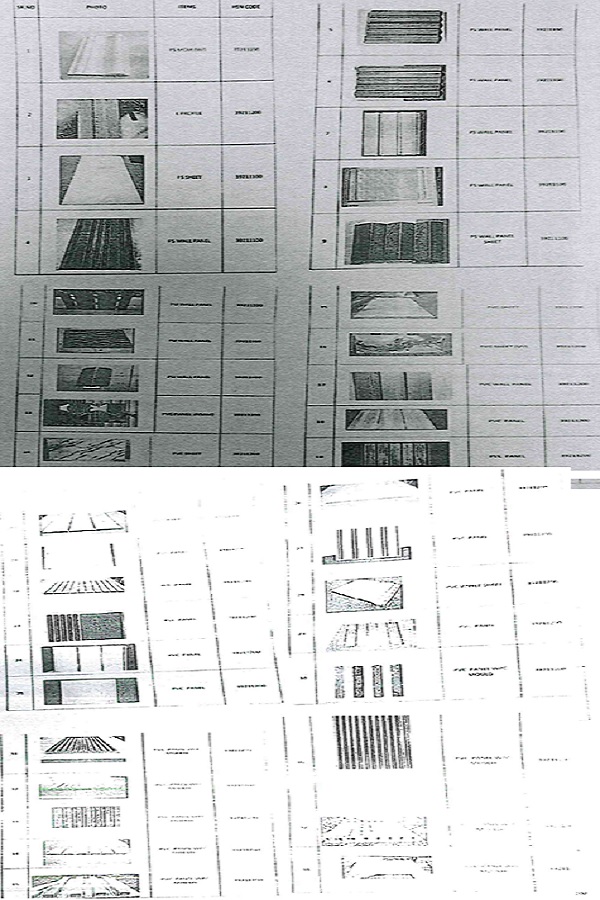
Custom Duty
CAAR: Classification of Polymer Sheet Goods Under 3921 Tariff Headings
Custom Duty
Custom Duty
Customs Exemption Allowed Without Correlation for Non-Sensitive Inputs but Subject to DFIA Conditions
Custom Duty
Custom Duty
Advance Ruling Rejected as preserved areca nuts Classification Issue Already Settled by HC
Custom Duty
Custom Duty
Battery Components Classified as Parts Due to Essential Function: CAAR Delhi
Custom Duty
Custom Duty
Injection Moulding Classification Upheld Due to Integrated Polymer Processing Function
CAAR (Customs Authority for Advance Rulings) provides advance rulings on specified questions arising under Customs law. This TaxGuru archive brings together CAAR rulings concerning classification of imported or exported goods, valuation, exemptions, applicability of Customs notifications and other matters falling within the Authority’s jurisdiction. Importers, exporters, customs brokers, businesses and professionals can use this category to research advance rulings and obtain insight into the treatment of customs issues in specific transactions.

