#AD
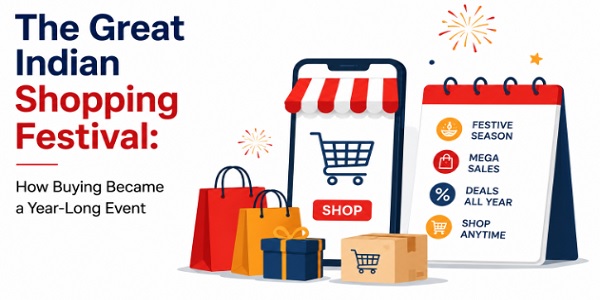
The traditional idea of India’s festive shopping season has escaped the autumn calendar. Major purchases once waited for Diwali, Dussehra or Dhanteras. Today, shoppers encounter a fresh buying occasion almost every few weeks. This is not only a retail marketing shift. Credit card spending now remains elevated well beyond the main festive period. Reserve Bank of India data has shown monthly card spends crossing the ₹2 lakh crore mark during multiple months, while major online sales still produce sharp peaks. The difference is that the peak no longer stands alone. It sits inside a much longer calendar of discounts, rewards and instalment-led purchases. There are clever marketing, psychology, and FOMO behind it. Let’s understand it in detail.
Key Takeaways
- Shopping festivals now run through the year rather than concentrate around one traditional festive window.
- No-cost EMI, co-branded rewards and rotating bank offers have kept credit cards relevant between major sale events.
- The value of an offer still depends on the purchase plan, the billing cycle and whether the bill can be repaid comfortably.
From One Festive Peak To A Retail Calendar
The modern shopping calendar has a theme for nearly every category. January sales draw demand for travel, electronics, and fashion. Summer campaigns focus on cooling appliances and home upgrades. Back-to-school and Independence Day promotions create another round of clothing and footwear purchases. The final quarter then brings the large festive marketplaces, Black Friday and clearance events.
Retailers benefit because demand is no longer dependent on one season. Consumers benefit because planned purchases can be timed around more than one discount window. A family replacing an air conditioner does not need to wait until October. Someone buying a laptop for college may find a relevant campaign in July or August. The buying opportunity has become category-led rather than festival-led.
Why Credit Cards Became The Engine
Cards work particularly well in this environment because they combine immediate value with payment flexibility.
- An instant bank discount lowers the checkout price. Cashback arrives later.
- Reward points add value to future spending.
- No-cost EMI divides a large purchase into monthly payments. Together, these features make the card more than a payment method at the final screen.
No-cost EMI has been especially important for smartphones, laptops, furniture and home appliances. The consumer does not have to postpone the entire purchase until the full amount is available. However, the installment must still fit into future monthly budgets. Processing charges, lost discounts or taxes on interest components should also be checked before treating an EMI as completely free.
How Offers Stay Active Between Festivals
The offer cycle is sustained through rotation. One bank may lead the headline discount during a major marketplace event, while another takes over a weekend promotion, payday sale or mid-month flash campaign. Co-branded cards continue earning category rewards even when there is no large festival banner. Merchant partnerships, app-only vouchers and limited-period multipliers give users another reason to return.
The Psychology Behind The Always-On Sale
Payment tools explain only part of the shift. Instant gratification, social media discovery and the fear of missing a limited offer also matter. Reviews, unboxing videos and influencer recommendations can place a product in front of a consumer before it was part of any purchase plan. A countdown timer then converts interest into urgency.
The line between a planned want and an impulse purchase can therefore become blurred. Buying for wants is not inherently irresponsible. A holiday, a phone upgrade or a better home appliance can be a valid lifestyle choice. The useful test is whether the item would still be considered without the sale banner. When the answer is yes, a card offer can improve value. When it is no, the discount may simply be creating the purchase.
How To Use The Year-Long Cycle Better
A simple purchase calendar can keep this behaviour manageable. List major expected spends for the next two or three months, such as electronics, travel, furniture, school devices or festival shopping. Compare the final amount after discount caps, cashback timelines and reward conversion. Then check where the transaction falls in the card’s billing cycle.
Conclusion
India’s great shopping festival has become a year-long phenomenon because retailers, marketplaces and card issuers now create reasons to spend across the calendar. Credit card offers can make planned purchases more rewarding, and EMIs can make large expenses easier to manage over time.
The sensible approach is not to avoid wants. It is to decide on the want before selecting the offer. Read the cap, understand the instalment, account for the billing cycle and repay on time. The best sale is not necessarily the one with the loudest discount. It is the one that still makes financial sense when the statement arrives.