
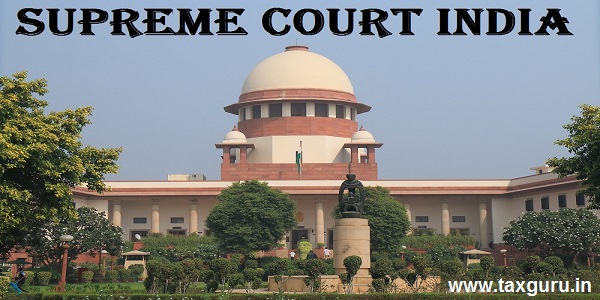
Courts: Supreme Court of India
Read latest Supreme Court of India judgments and orders on Income Tax, GST, Customs, Company Law and other taxation, corporate and commercial laws.
SC Upholds Article 142 Power to Grant Divorce for Irretrievable Breakdown
SC Dissolves Marriage Under Article 142, Quashes Pending Criminal Proceedings

SC Clarifies Scope of Section 26(1) Proceedings Under Competition Act & Appealability of CCI Directions
SC Grants Divorce Under Article 142 Despite Husband’s Objection After Irretrievable Breakdown
Books Can’t Be Rejected Merely for Profit Decline or No Stock: SC

SC Allows Recovery Suit Against Principal Borrower Despite IBC Moratorium on Guarantors
SC Allows Secondary Evidence of Unstamped Agreement to Sell
SC Declined Interference on Capital Subsidy Taxability
SC Dismissed Revenue Appeal on Quicklime Classification Under CTH 2522
SC Dismissed Revenue SLP on GST Levy for GIDC Leasehold Rights Transfer
SC Quashes Section 498A Proceedings & Dissolves Marriage Under Article 142
SC Directs FanMade11 to Avail Statutory GST Appeal Instead of Writ Petition
TDS Liability on Ineligible LTC Claims Upheld; Appeal Dismissed: SC
Writ Against Private Minority School Not Maintainable in Termination Dispute: SC
Supreme Court of India brings together Supreme Court judgments and orders published on TaxGuru concerning taxation, corporate, commercial and regulatory laws. The archive covers Income Tax, GST, Customs, Company Law, insolvency, constitutional and other legal issues relevant to taxpayers, businesses and professionals. Readers can research authoritative rulings on statutory interpretation, substantial questions of law, constitutional issues and appeals from High Courts and tribunals. Chartered Accountants, advocates, tax professionals, companies and legal researchers can use this category to follow important Supreme Court jurisprudence relevant to taxation and business laws.

