
Courts: Madras High Court
Find latest Madras High Court judgments, orders and case laws on Income Tax, GST, Customs, Company Law, IBC and other tax and commercial matters.

Madras High Court Upholds Transfer of ITAT Member to Jabalpur

Section 16(5) Amendment Makes Belated ITC Rejection Unsustainable: Madras HC
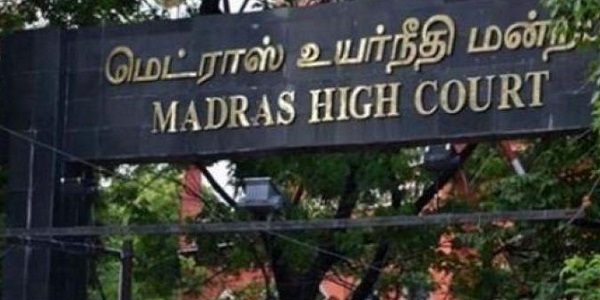
Later Customs Amendment Cannot Govern Earlier Bill of Lading Imports: Madras HC
Firm’s Property Can Be Auctioned Without Separate Notice to Every Partner: Madras HC

Madras High Court Quashes GST Penalty After Late Fee Was Imposed

Market Fee Lease Waiver Not a Right While GST Dues Remain Outstanding: Madras HC
Madras HC Allows Form 10B Delay Condonation for Genuine Hardship
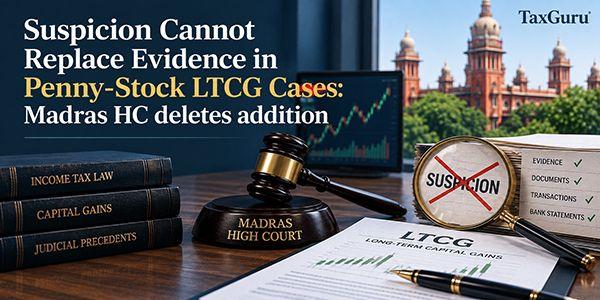
Suspicion Cannot Replace Evidence in Penny-Stock LTCG Cases: Madras HC deletes addition
AY 2015-16 Reassessment Notices Issued After 1 April 2021 Quashed by Madras HC
No Incriminating Material: ₹137.20 Crore Deemed Dividend Addition Quashed
Customs Appeal Permitted and Writ Pendency Excluded From Limitation: Madras HC
Madras HC Allows GST ITC Rectification Application for Wrong Tax Head Credit
Madras HC Sets Aside 245D(4) Rejection for Bias and Denial of Hearing
ITR Upload Failure: Madras HC Accepts Screenshot, Orders Portal Access
Madras High Court judgments and orders constitute an extensive source of jurisprudence concerning taxation, corporate and commercial disputes. This TaxGuru page brings together Madras High Court case laws on Income Tax, GST, Customs, Company Law, insolvency, input tax credit, refunds, reassessment, tax demands, penalties and other legal matters. Taxpayers, companies, Chartered Accountants, advocates and tax professionals can use this collection to research judicial precedents and follow developments affecting tax and business law. TaxGuru publishes recent and significant earlier Madras High Court decisions with summaries and analysis highlighting important issues and legal principles. The page provides a convenient resource for researching taxation, corporate, commercial and regulatory litigation before the Madras High Court.

