
Courts: Delhi High Court
Find latest Delhi High Court judgments, orders and case laws on Income Tax, GST, Customs, Company Law, IBC, FEMA and other tax and commercial matters.

Delhi HC Declines Interference in GST Audit File Transfer to Anti-Evasion Wing
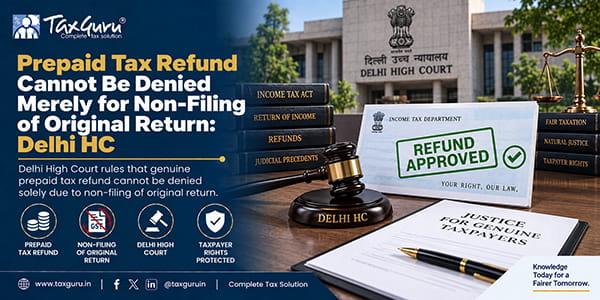
Prepaid Tax Refund Cannot Be Denied Merely for Non-Filing of Original Return: Delhi HC

Delhi High Court Upholds ESOP Deduction and CA Valuation for AY 2018-19
Delhi HC Declines Writ Interference in GST Parallel Proceedings Under Section 6(2)(b)
Delhi HC Dismisses Revenue Appeal on Issue Covered by Earlier Rulings
Completed SARFAESI Sale Cannot Be Undone Through Fresh OTS: Delhi High Court
Delhi HC Relegates GST Registration Cancellation Challenge to Section 107 Appeal
Delhi HC Rejects Anticipatory Bail Over Alleged Fund Diversion & Forged Work Order
Delhi HC Refuses to Quash Criminal Proceedings Against Supertech Director
Delhi HC Upholds Customs OIO After Section 28(9A) Limitation Recalculation
Delhi HC Quashes Section 153C Notice for Failure to Meet ₹50 Lakh Threshold
Delhi HC Quashes Reassessment for Sanction by Incompetent Authority under Section 151

Delhi HC Upholds CGST Search of Advocate’s Premises with Privilege Safeguards
Delhi HC Quashes TDS Prosecution After Director Status Is Found Incorrect
Delhi High Court judgments and orders constitute a substantial source of jurisprudence on taxation, corporate, commercial and regulatory law. This TaxGuru page compiles Delhi High Court case laws concerning Income Tax, GST, Customs, Company Law, insolvency, FEMA, international taxation, reassessment, TDS, penalties and other business and legal disputes. Companies, taxpayers, Chartered Accountants, advocates and tax professionals can use this collection to research judicial precedents and monitor important legal developments. TaxGuru brings together recent and significant earlier Delhi High Court decisions, supported by case summaries and analysis explaining the principal issues and findings. The page provides a convenient research resource for readers following tax, corporate, commercial and regulatory litigation before the Delhi High Court.

